
NUMBERS COME BEFORE STRATEGY.
For growth, numbers come before strategy. A small set of numbers can align thousands of decisions, priorities, and actions across an ecosystem without central command..


(Disclaimer: the views expressed in this post are my own and do not represent my employer or any other entity)
In this post I argue that decentralised ecosystems struggle with coordination because thousands of actors optimise locally without a shared definition of success. That is the risk of entropy in a decentralised system.
A small set of system-wide numbers can provide a shared axis of success and the coordination surface that allows autonomous actors to align around capital productivity and compound growth without central command.
Crypto is great at forming capital.
Recently Kydo argued that crypto is a “superconductor of capital”. Its superpower is instant, global, programmable capital formation.
From his perspective, the key question becomes how to point that power at things that are actually growing. That assumes capital direction is the core problem.
"That's the only interesting question I see right now: how do you take crypto's superpower -- instant, global, programmable capital formation -- and point it at things that are actually growing?" - Kydo
From my perspective, in decentralised ecosystems the deeper constraint is coordination. Without a shared axis of success, system-wide units of account the express it, and a visible flywheel that shows how value circulates, capital formation produces activity but not necessarily productive growth.


Growth requires something more: capital productivity.
What is growth? Capital formation is not the same as capital productivity, which I’ll define here as how much durable economic value an ecosystem generates for each unit of capital deployed.
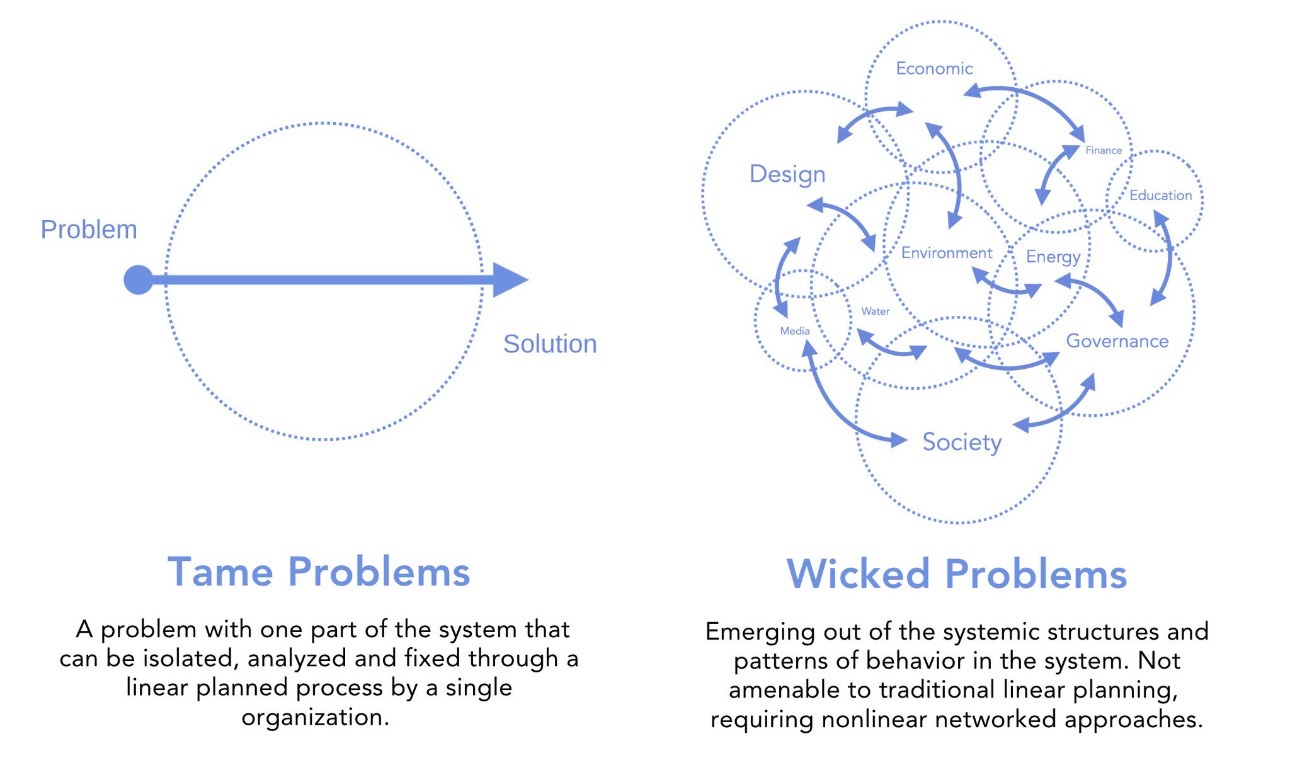
In a decentralised ecosystem, no single authority can allocate resources for the whole system, so growth becomes a coordination problem. But this has also been the trap. The Web3 industry became exceptionally good at forming and raising capital before it became good at deploying it productively. This rewarded fundraising, speculation and activity ahead of durable outcomes.
One of the deepest criticisms of the space is how much money has been raised with so little durable outcome to show for it. Without mechanisms that tie incentives to real performance, capital can drive short term activity but it often becomes extractive, rewarding actors for riding the speculative wave or harvesting subsidies rather than creating products and infrastructure that last.
Durable capital productivity depends on financial primitives that keep capital aligned with the ecosystem over longer horizons, such as non margin credit markets, infrastructure finance and liquidity systems that reward sustained participation rather than short term extraction.
To understand whether a decentralised ecosystem is compounding, you need a small set of system-wide numbers that show how capital enters the ecosystem, how it circulates and how productive it is before it leaves.
Without coordination, capital productivity cannot emerge.
The game is to be sold, not told. People align around incentives, outcomes, and visible proof that the system is working. In decentralised ecosystems, the numbers have to go up on the board.
Blockchains are optimised for writes, not reads. The ledger records transactions, proposals and liquidity flows, but it does not explain the system those activities form together. Participants can see their own incentives and positions, but rarely the reinforcing system those roles create or how success in one part depends on success in another.
There is a hidden tax on coordination in decentralised systems as they scale. Roles expand, and the number of actors within those roles expands with them. Possible communication paths grow as n(n−1)/2. You get more calls, more chats and more side rooms. With each additional path, the chance that everyone holds the same picture drops and the fog of war increases.
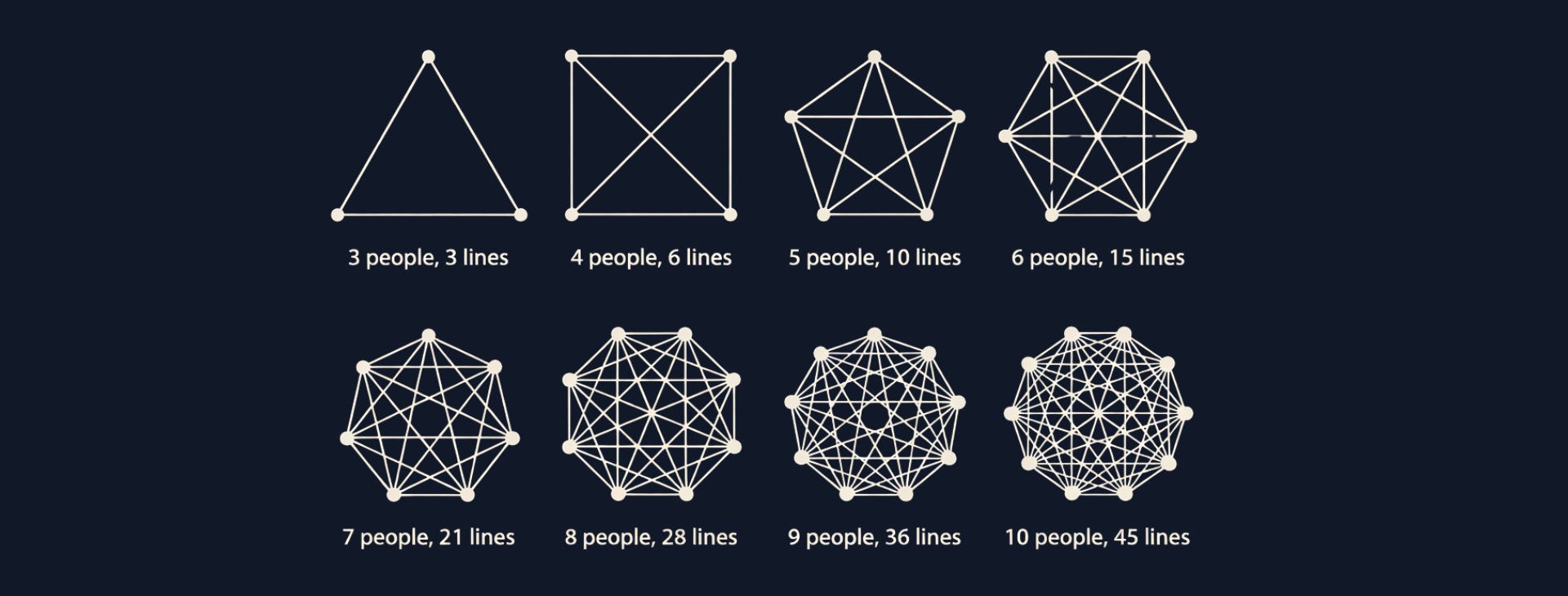
Conversation scales poorly. In theory people get the message through 1:Many channels, 1:Few group chats and 1:1 discussions. In practice they do not. Engineers form technical channels with validators and developers. Founders build communities around projects and products. Governance develops its own forums, norms and language. Conversation worked when communities were small because talking builds relationships. At scale it cannot keep everyone on target.
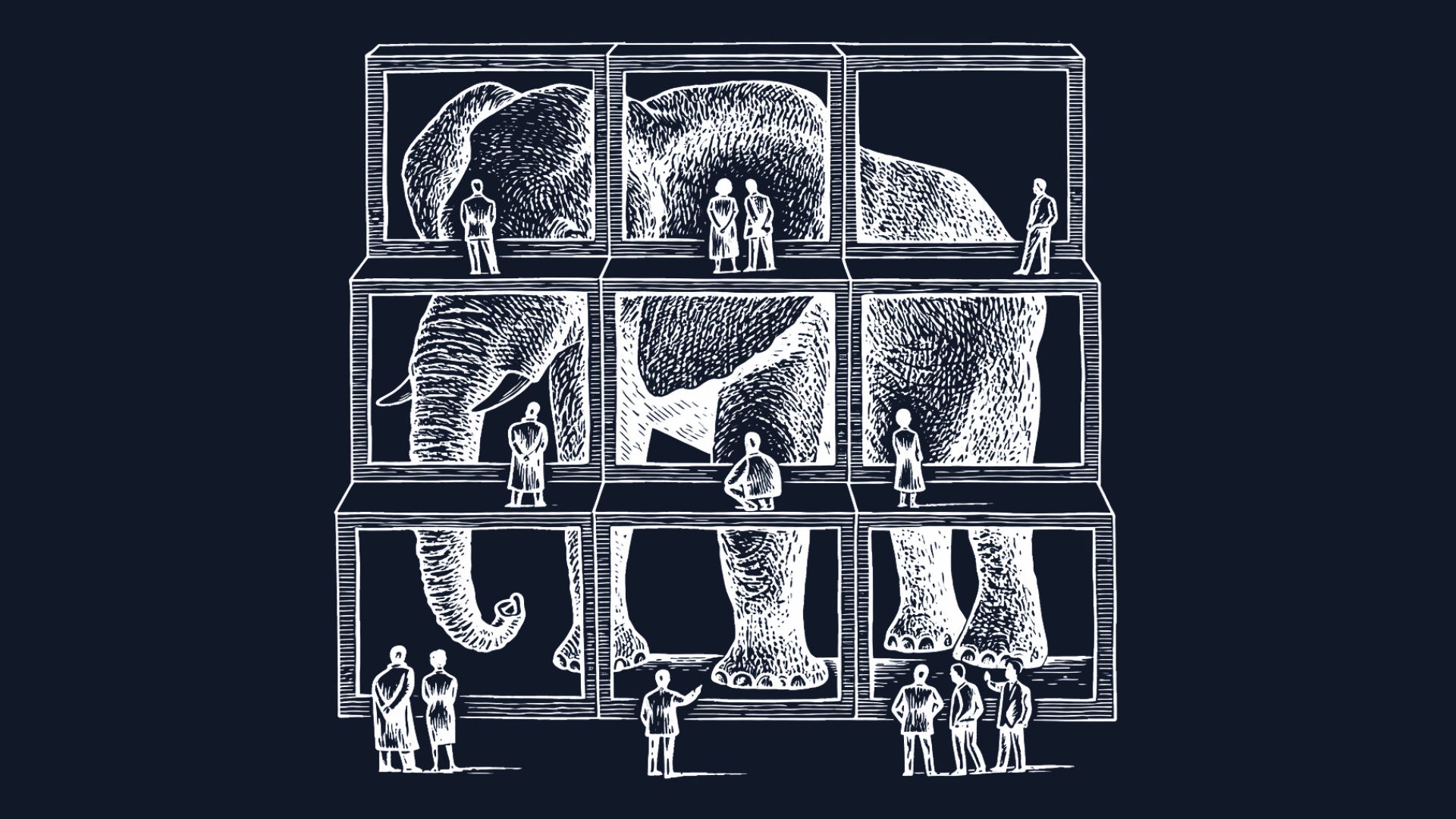
But like cells in an organism, conversations do not scale by becoming indefinitely larger. At some point they divide and specialise. As systems grow the same pattern appears. Threading the needle across all these conversations becomes a full time job. The cost is time, and that time competes with activities that carry clearer incentives. For most participants, the barrier to system-wide alignment gets too high.
Complex organisms solve this through signalling systems that coordinate specialised parts without requiring every cell to communicate with every other cell. Ecosystems are no different.
But people are different. People do not just hold different opinions, they think differently. Each actor may wear multiple hats and build a different model of the system in their head, built from countless fragments of conversation, experiences and context. Those models may share themes, but they are never the same because the map is not the territory. They operate from different frames shaped by the hats they are wearing, where they sit in the ecosystem stack, and the incentives attached to those layers. The further apart those roles sit, the more those models diverge.
Infrastructure optimises for reliability and performance.
Governance optimises for legitimacy and process.
Capital optimises for yield and risk.
Narrative optimises for attention and distribution.
Behaviour that is rational at each layer in isolation can become misaligned with the needs of the system as a whole.
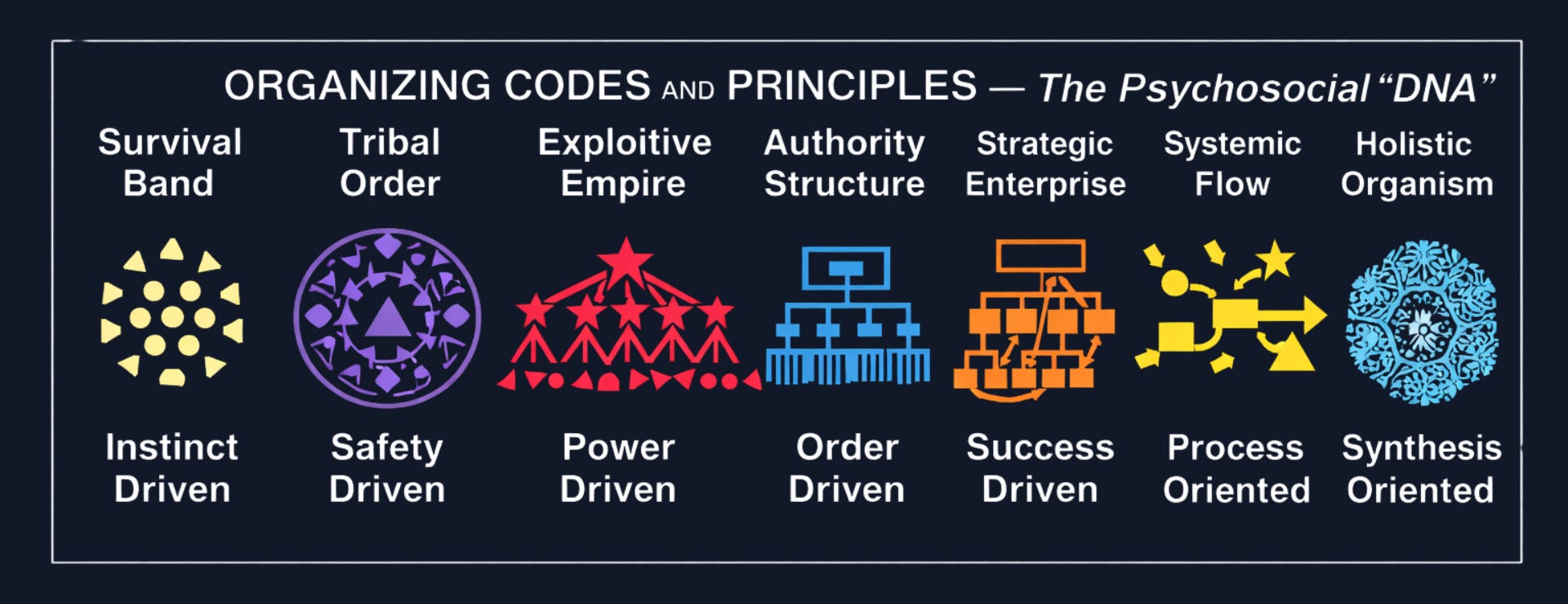
Humans are deeply interdependent, and so is their success. But that interdependence is not always visible to people trying to separate signal from noise. In blockchain ecosystems this often produces silos, proximity bias and misalignment. Good intentions still lead to frustration or extraction. In the end, it is people all the way down.
The problem is that local coherence is not global alignment. When communities come together it can feel like agreement and sound like alignment because people share the same vision. But they are often operating in different languages and optimising for different incentives and payoffs. The gap only becomes visible later, when expectations diverge.
In computing terms the system becomes I O bound. The constraint is not activity inside roles, but the latency of coordination between them.
There will always be leading and lagging KPIs beneath the shared scoreboard. These metrics matter and make sense within their domains. What is needed alongside them is a shared axis of success that defines what winning means for the ecosystem as a whole.
Global visibility of system-wide units of account solves coordination in decentralised ecosystems.
Builders and communities abhor uncertainty and, in the absence of clarity, generate their own interpretations of success. Those interpretations are usually shaped by proximity, role, and incentive. Each actor pursues rational goals within their own context, but the system lacks a shared picture of how those activities compound into growth from cycle to cycle, and which outcomes matter most.
This is the coordination gap writ large. Decentralised systems generate enormous amounts of activity but very little shared interpretation. Shared numbers turn activity into signal. What does that compounding activity actually look like?
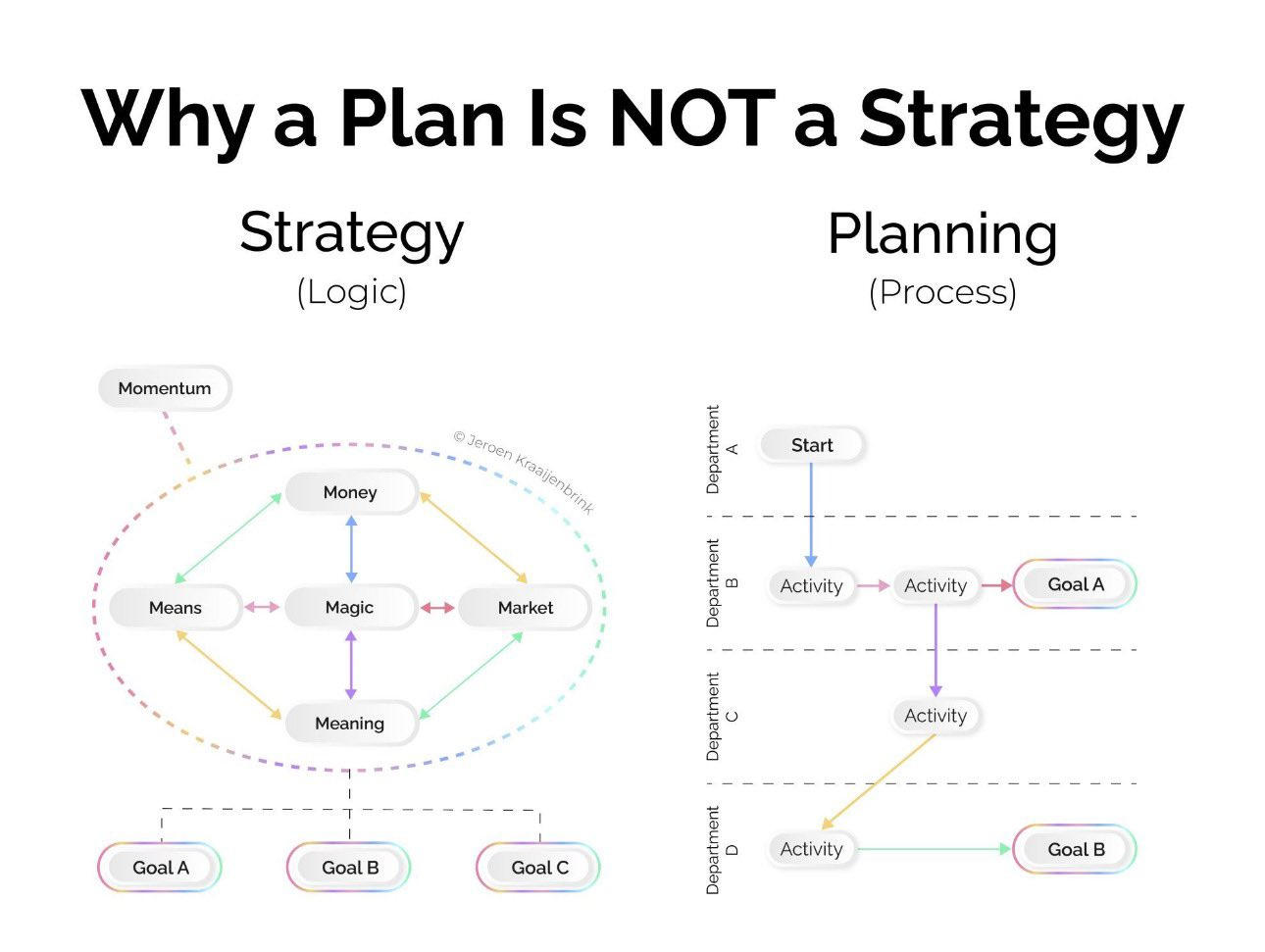
When an ecosystem agrees on a small set of system-wide units of account for success, thousands of independent decisions begin aligning around the same axis. Builders, investors, validators and governance actors can all see whether the system is building momentum and compounding across cycles. Visible feedback reinforces behaviour, because self observation is self correction.
This shared orientation allows independent actors to orient around the same outcomes and operate inside one another’s decision cycles, in the sense described by John Boyd’s OODA loop and recently mentioned by Marc Andreessen on X.


OODA is about changing the situation faster than the opponent can comprehend it, which places you inside their decision cycle. Shared visibility of system-wide units of account does more than inform. It increases the ecosystem’s collective self-awareness. As more actors orient around the same axis, they begin operating inside each other’s decision cycles and coordination emerges implicitly across roles and layers.
The power of decentralised ecosystems is parallel experimentation. Thousands of actors can run experiments simultaneously, without waiting for a central leadership team to decide what happens next. Innovation happens everywhere at once and the system adapts continuously.
“It’s in the nature of the swarm to max simultaneous iterations on the fly until a configuration works, then move on to the next target!”
Swarms maximise simultaneous experimentation. When something works, the system moves. That only works with autonomy, and autonomy only scales when actors can see the same outcomes and diagnostics. Shared system-wide numbers work across actors, roles and layers precisely because they are low bandwidth, legible and objective. They allow a decentralised system to coordinate thousands of decisions without requiring a top down hierarchy.
As Tim Harrison wrote in his piece on shared roadmaps, decentralised systems still need orientation. A roadmap without KPIs is activity therapy. KPIs without a roadmap is just wishful thinking. Shared direction is what allows energy to compound rather than dissipate.

The path to growth must be visible to all! The Ecosystem Growth Flywheel shows how capital becomes productive.
The Ecosystem Growth Flywheel is the visible model of how the ecosystem produces those shared numbers. Shared numbers define success, but they do not explain how the system actually produces it. For that, the reinforcing structure of growth must also be visible. The ecosystem growth flywheel shows how capital enters the system, becomes productive, and compounds over repeated cycles.
If the flywheel stalls, there are two possible explanations.
The underlying flywheel is sound but execution against at least one of its components is weak
Or the flywheel itself is wrong and needs to be redesigned.
In practice this requires mechanisms that deploy treasury capital productively into the ecosystem. Examples include liquidity provisioning, systematic market strategies, infrastructure investment, credit markets, or strategic ecosystem investments. If you can’t measure it, you can’t improve it. The flywheel becomes real when growth is visible and each step adds momentum to every cycle. The system can see clearly how each role’s success depends on and reinforces the others.
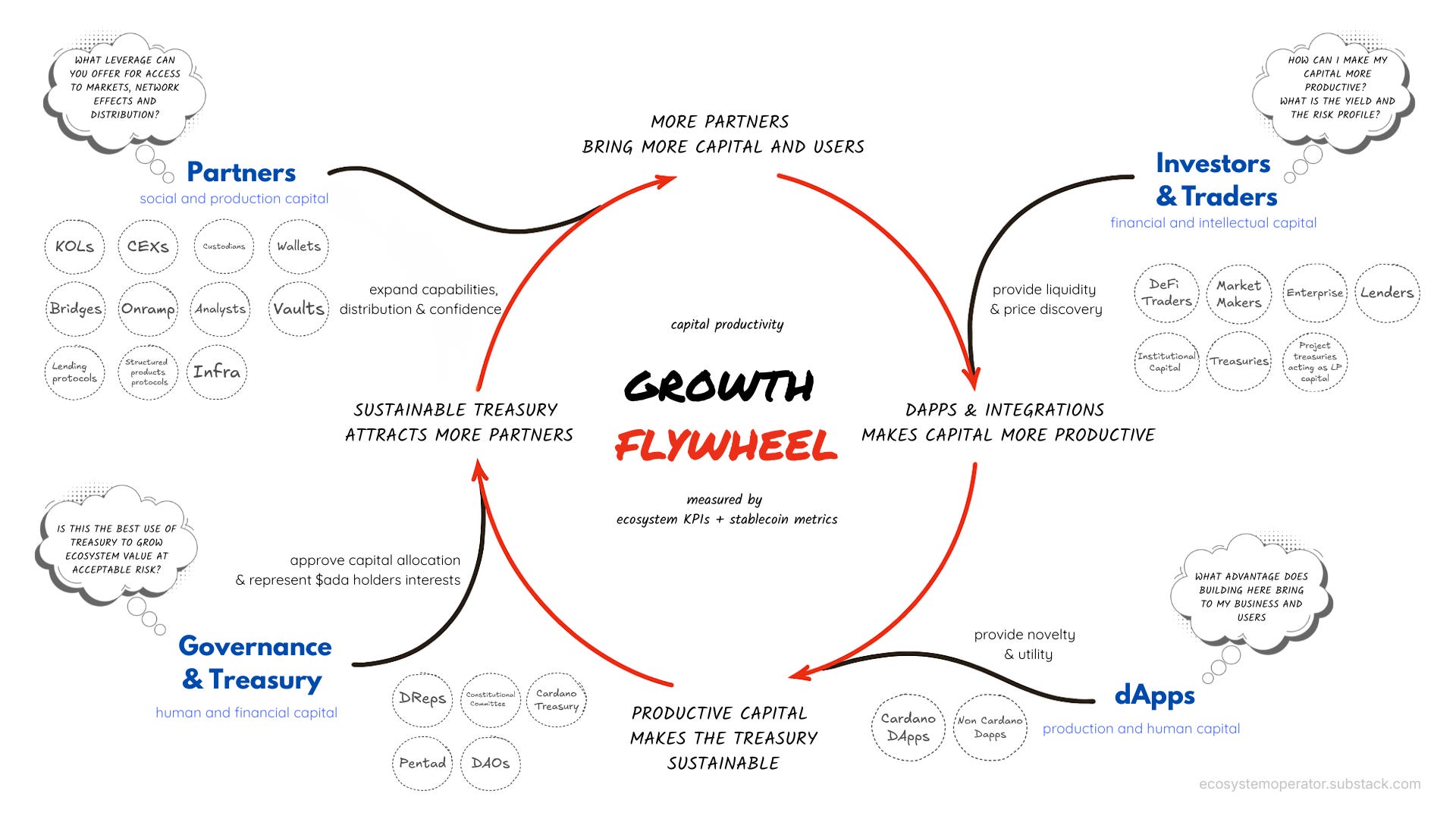
Metrics measure the flywheel and enable diagnostics and interventions.
If the flywheel explains how growth compounds, these system level numbers show whether it is actually compounding. Healthy ecosystems convert opportunistic liquidity into long term capital commitment. KPIs specific to ecosystem roles and layers sit beneath them as leading or lagging health metrics.
Settlement volume. It is the closest thing to GDP for a chain. How much economic activity actually completes. It can include arbitrage, liquidations, market making and internal recycling, so it is not identical to GDP or pure value creation.
Stablecoin liquidity. Analysts treat stablecoin depth as the clearest indicator of how much capital can actually move through an ecosystem. It measures deployment capacity and market depth, not durable value by itself.
Treasury Net Growth. The treasury generating return above passive yield. If returns come from inflation, subsidy or redistribution rather than productive activity, the flywheel can look healthier than it really is.
Capital Circulation. How much economic activity the ecosystem generates for each unit of capital inside it. A practical way to observe this is settlement volume relative to deployed capital.
Long-term capital commitment. Growth in non-margin credit markets, and the average duration of loans, show whether capital is confident enough to stay in the ecosystem over longer horizons rather than chasing short-term yield.
These system-wide numbers remain perennial growth diagnostics across an ecosystem’s lifecycle. What changes is which constraints dominate and which KPIs lead or lag at each stage.
Capital allocation must follow the adoption curve.
Diffusion of innovation theory adds a time dimension to this framework. The system-wide numbers remain constant, but the KPIs and strategies that move them change as an ecosystem progresses along the adoption curve.
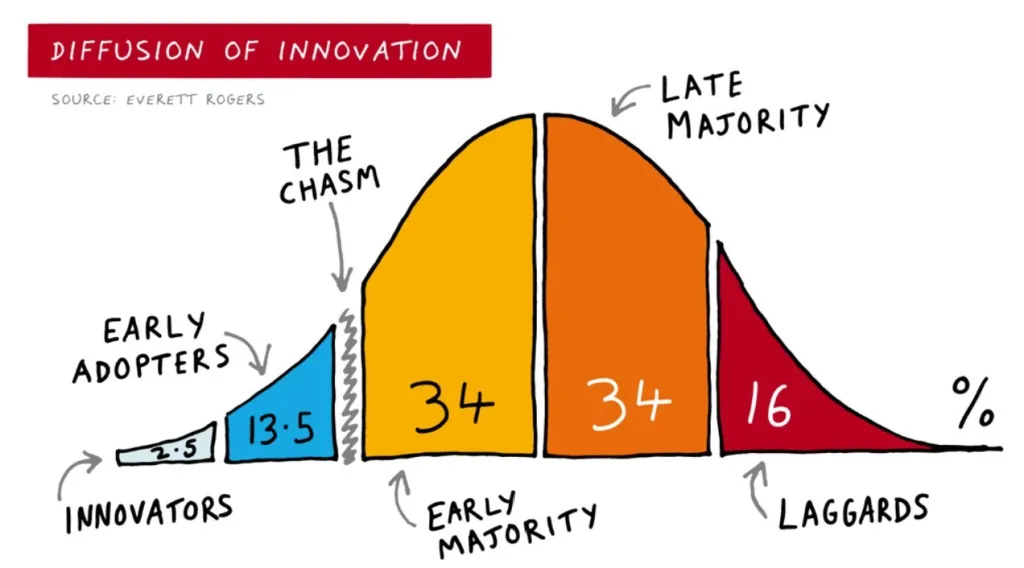
Early phases are driven by experimentation and economic primitives. Builders and early adopters tolerate rough tools because they are searching for profitable use cases, so investment strengthens markets, liquidity and financial infrastructure.
As adoption progresses, priorities shift toward usability, reliability and distribution. The early majority does not tolerate the same complexity as explorers.
Capital allocation must therefore follow the adoption curve. Ecosystems face a sequencing constraint. Capital must be deployed according to the stage of adoption. Optimising for the early majority before real use cases exist wastes capital and produces infrastructure nobody needs. In each phase the goal is the same: increase capital productivity. What changes is which constraints must be solved first and which KPIs are measured.
The “chasm” between early adopters and the early majority is largely about usability. Once profitable use cases exist, complexity must be abstracted away so the next wave of users can adopt the system. The adoption curve therefore acts as a constraint on capital allocation. Much wasted capital in technology ecosystems comes from pursuing problems that are not the binding constraint at that stage of adoption.
A similar argument appears in fallen-icarus essay The Seed of DeFi, which argues that financial ecosystems must grow from a small set of economic primitives rather than cloning existing financial features.
The flywheel explains how value compounds within a phase. The adoption curve explains when the system moves from one phase to the next.

Capital Productivity. How much economic value can each unit of capital generate while it is deployed in the system?
Capital circulation is not the goal. It is a diagnostic that shows whether capital inside the ecosystem is being deployed productively.
Economist and Grassroots Economics founder Will Ruddick highlights the same dynamic in community economies. Many communities have the productive capacity to trade, but money leaks out faster than it circulates locally. When that happens, trade collapses even though the underlying capacity still exists.
Commitment pooling, exchange primitives etc… address this by encouraging value to circulate repeatedly within the network rather than exiting immediately. The same unit of value supports multiple transactions before it leaves.
Check out his free book…

Winners put up the numbers!
Ecosystems need to organise and reward those numbers to create exponentials and network effects. This is the golden thread that runs through every role in an ecosystem. Everyone ultimately cares about growth, but most people see it through the lens of the role they play, which means actors optimise locally while the system evolves globally.
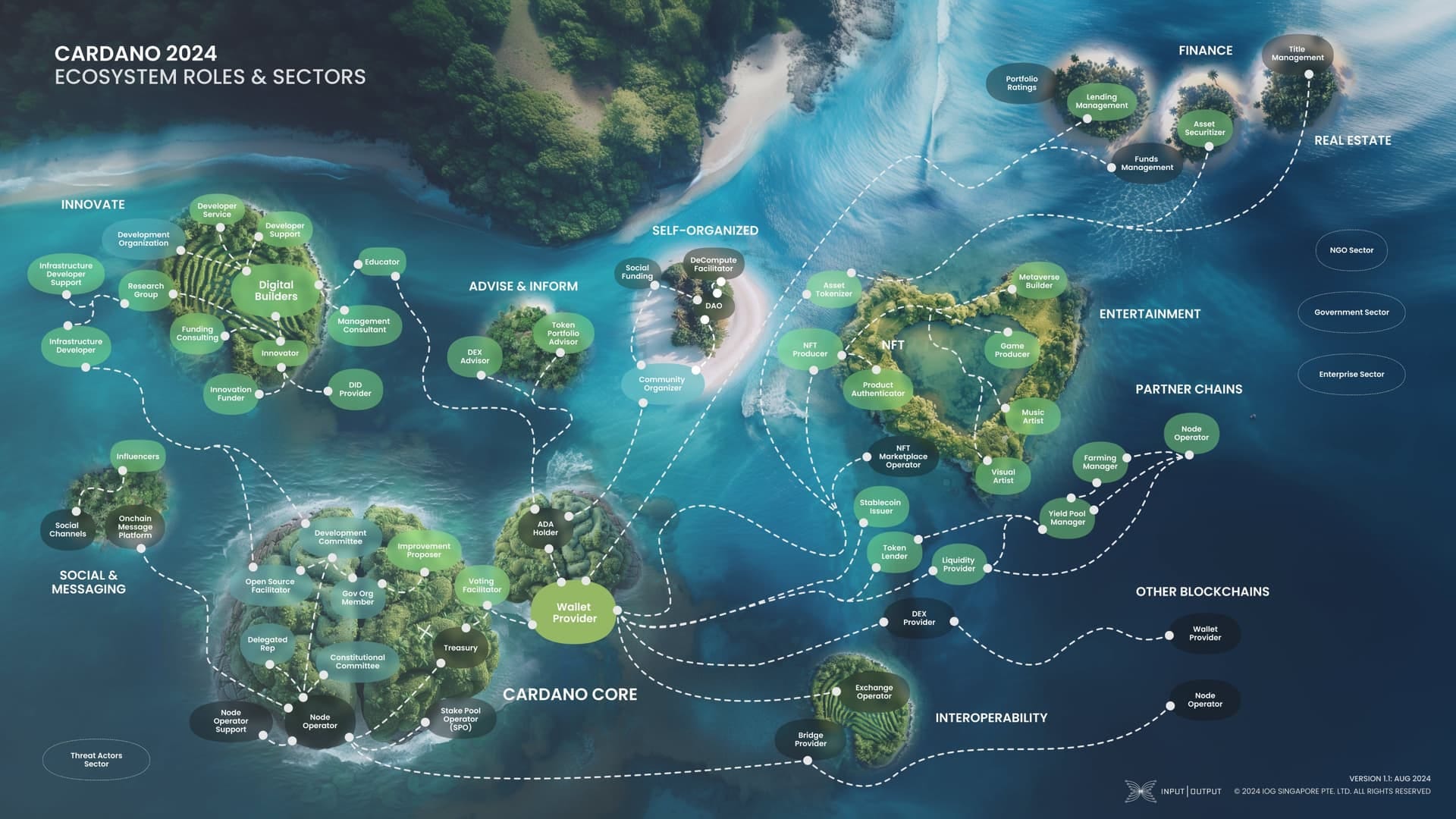
In practice, the closest thing to a shared scoreboard has often been token price. But price is only a proxy. It does not explain what actually produces durable growth. To compound growth over cycles, people must understand the name of the game. The name of the game is growth, and growth can be defined as capital productivity.
Name the game: The name of the game is growth. In decentralised ecosystems growth is capital productivity. Make this explicit and common knowledge.
Numbers before strategy: A small set of system-wide units of account defines the game and the winning conditions for the ecosystem as a whole. These numbers create a shared axis of success that can align thousands of decisions across an ecosystem without central command.
Numbers are the coordination surface: Decentralised ecosystems generate huge amounts of activity but very little shared interpretation. Shared numbers turn activity into signal and allow independent actors to align without central direction.
System-wide visibility: Numbers must also be visible. The reinforcing system that moves them must be legible so each role can see how its success depends on and strengthens the others. This makes interdependent success visible, aligns incentives, and allows participants to observe the system.
Local optimisation reinforcing the flywheel: Different actors across roles pursue the same outcomes autonomously and in parallel, using the strategies best suited to their strengths and resources. Local optimisation must move the shared numbers and strengthen the reinforcing loops that compound growth over time. Local observation becomes local-correction.
Cardano provides a useful live case.
This is the culture Cardano needs. It launched on chain governance, ran a 350M treasury cycle in 2025, and set out a 2030: Vision, Mission, Strategy Framework and KPIs. That is a serious effort to reach consensus on the common good, which is needed but not sufficient.
But direction alone is not sufficient for coordination at scale. The framework defines pillars and introduces KPIs such as TVL, transactions, and active users. These are useful signals of activity and adoption. What they do not yet provide is a shared axis of success or a visible model of how the system compounds. In other words, they measure participation in the ecosystem but not the productivity of the capital inside it.
In practice, Cardano needs a read layer. That read layer is a small set of shared economic numbers that allow the ecosystem to name the game as growth and define it as capital productivity. Express that definition through shared numerical outcomes and use those numbers as the unit of account for success across the ecosystem. Make the flywheel visible so that, whatever role you play, you can see how success is interdependent and how incentives align. Every team should be able to show, in one or two steps, how its work moves those shared numbers.
Winners put up the numbers, and second prize is a set of steak knives. Judge success by contribution to capital productivity, not narrative or effort. Each cycle must close on the same shared outcomes, and those outcomes must increase capital productivity. Only then does the next cycle start at a higher base. The flywheel compounds instead of consuming its own tail.

That is how decentralised ecosystems turn capital formation into compounding growth. Visibilia ex invisibilibus.
Acknowledgements
With special thanks to BlockDrops Podcast and fallen-icarus for inspiration, to Steven Paterson for input on treasury deployment mechanics and capital productivity metrics, and to Chris Broveleit, Anton Golub, Petro Golovko, Sc.D., Ph.D. for his ideas on a settlement architecture built around physical assets. Thanks also to Tim Bruckman @Tim38300817, Stay SaaSy, and Nick Almond for ideas, feedback, and conversations that helped shape this piece. As ever, thanks to my Ecosystem Operator collaborator Tim Harrison for the many conversations that have helped inspire some of these ideas.
A thoughtful piece - and thank you for the mention.
What I find most valuable here is the distinction between capital formation and capital productivity. Too many ecosystems celebrate capital inflows, treasury size, or token performance while paying far less attention to whether capital is actually producing durable economic activity. The article is right to frame growth as a coordination problem around shared system-wide numbers rather than narrative alone.
The key challenge, in my view, is that metrics such as settlement volume can still overstate real growth when they include arbitrage, liquidations, market making, and internal recycling. That is a useful indicator of activity, but not always of value creation.
So the deeper question remains: not only how capital circulates inside a digital ecosystem, but what ultimately anchors value beneath that circulation.
Numbers may come before strategy.
But settlement reality still comes before numbers.